







Search Results for: Condensation Phenomenon
What exactly is the oil that appears when pour-over, cold brew, and siphon coffee cool down? Analyzing the source of the oily sheen on coffee's surface from the phenomenon of condensation
Many coffee enthusiasts notice, when tasting pour-over, cold brew, or siphon coffee, that a faint layer of "oil" surfaces as the coffee cools. This is not a sign of spoilage, nor an external impurity, but rather an oily component that coffee itself contains—one that only becomes visible to the naked eye under specific conditions. To understand this phenomenon, we need to start with the composition of Crema, that golden foam atop espresso—it is formed by coffee bean oils wrapping around carbon dioxide. And the key driver that turns oils from "invisible" to "visible" is condensation. This article explains the principle of condensation and how differences in the performance of filtration devices affect the degree of oil seepage, helping readers make sense of this sheen of oil that emerges after cooling. [more…]

Why does pour-over coffee become sour and astringent after cooling? Analyzing three reasons for flavor changes and the ideal drinking temperature
A freshly brewed pour-over coffee is full of aroma and smooth on the palate, but after sitting for half an hour it turns sour, astringent, and muddled—what's going on? In fact, coffee naturally presents different flavors at different temperatures, and during tasting it is often divided into three stages: hot, medium, and cool. A good cup of coffee can usually withstand all three temperature stages, but once it has fully cooled, the flavor goes beyond the normal tasting range. From Front Street's perspective, this article breaks down the root causes of coffee turning sour and developing astringent, muddled notes after cooling—including differences in how human senses perceive sourness, sweetness, and bitterness, the impact of aroma volatilization, and the three key mechanisms of oil oxidation, pigment oxidative polymerization, and condensation—and tells you the most suitable temperature for drinking coffee, helping you better capture the best flavor of every cup. [more…]
Is Freezing Coffee Beans Reliable? A Full Analysis of Sealing, Moisture Prevention, and Condensation Issues
What should you do if you buy too many coffee beans and can't finish them within their peak flavor window? The aroma of coffee dissipates along with carbon dioxide, so the brewed flavor naturally suffers. Some people therefore try putting their beans in the freezer, said to extend freshness—but does this method actually work? Low temperatures can indeed slow the loss of aroma, but freezing is not foolproof: improper sealing leads to odor transfer, and condensation strikes when you take the beans out. This article walks through the key points and common pitfalls of freezing coffee beans in detail, helping you decide whether this practice is worth trying. [more…]
Why Does Pour-Over Coffee Taste Sour After It Cools? A Comprehensive Analysis from Aroma Loss to Taste Perception
Many coffee enthusiasts encounter a phenomenon when tasting pour-over coffee: as the temperature drops, the flavor of the coffee seems to change, sometimes even developing an unpleasant sourness. This is not a problem with brewing technique, but rather a series of physical and chemical changes that coffee undergoes as it goes from hot to cold. Front Street Coffee will take you on an in-depth look at the processes of aroma loss, oil oxidation, pigment polymerization, and condensation after coffee cools, while also explaining from the perspective of sensory science why the perception of sourness, sweetness, and bitterness on the taste buds changes with temperature. Through this article, you will understand the real reasons why coffee becomes sour or bitter after it cools, allowing you to view the relationship between coffee temperature and flavor more rationally and improve your tasting experience. [more…]
Refrigerate or Freeze Coffee Beans? Key Storage Tips and Practical Methods for Storing Ground Coffee
After coffee is roasted, aromatic compounds continue to escape outward. If the amount purchased exceeds what can be consumed within its peak-flavor window, the flavor will suffer greatly. This article begins with conventional storage ideas such as sealing, protection from light, coolness, and dryness, then focuses on analyzing the recently popular method of freezing coffee beans: it can indeed slow the loss of aroma, but improper handling can backfire. The article unfolds around three key details—sealing to prevent odor transfer, condensation and moisture damage, and avoiding repeated removal and return—and offers practical advice on portioning for storage. Front Street also reminds everyone that coffee is ultimately best enjoyed fresh, and buying only what you need is the worry-free approach. [more…]
Where Does the Oil Film on Cold Brew Coffee Come From? A Full Breakdown of Low-Temperature Extraction Principles and Filtration Techniques
Cold brew coffee, with its advantages of simple operation and low cost, has become the go-to choice at home for many coffee enthusiasts. All you need is an airtight container and a low-temperature environment, and after several hours of steeping, you get a full-flavored iced coffee drink. However, many people discover during the process that a layer of oil often floats on the surface of the cold brew liquid, and can't help but wonder whether it has spoiled or the equipment is unclean. Where exactly does this layer of oil come from? And how should it be handled to achieve a clearer taste? This article will provide a detailed explanation of the extraction principles of cold brew, the phenomenon of oil condensation, the selection of filtration equipment, and ways to optimize the drinking experience, while also recommending several coffee beans suitable for making cold brew, helping you easily make a clean, translucent, and outstandingly flavorful cup of cold brew coffee at home. [more…]
What Causes the Oil Film on Cold Brew Coffee? A Detailed Explanation of Low-Temperature Extraction Principles and Filtration Techniques
Cold brew coffee, with its advantages of simple operation and low cost, has become the preferred way for many coffee enthusiasts to make iced drinks at home. However, many people find in practice that a layer of oil slick unexpectedly floats on the surface of a finished pot of cold brew, and they can't help worrying that the coffee has gone bad or the container was not cleaned properly. Where exactly does this layer of oil come from? In fact, its cause is completely different from that of the Crema on the surface of espresso. This article will focus on the low-temperature extraction principle of cold brew, explain the phenomenon of oil condensation, and share the complete operational details from filter selection to secondary filtration, helping you make a cup of cold brew coffee with a clear mouthfeel and full flavor. [more…]

Why Light-Roast Pour-Over Coffee Tastes More Acidic as It Cools, and Recommended Tasting Times
Many coffee enthusiasts notice that when brewing light-roast coffee, it is rich in aroma and stands out with fruity sweetness right after brewing, but as the temperature drops, the sourness becomes especially pronounced. Is this phenomenon normal? What sensory and chemical reasons lie behind it? Front Street Coffee will analyze this from two dimensions: the patterns of human taste perception and the changes in coffee's own components, explaining the differences in how bitterness, sweetness, and sourness are perceived at different temperatures, as well as the impact of aroma volatilization on the flavor experience. At the same time, the article will also discuss the time windows for tasting at high, medium, and low temperatures, and explain the bitterness and astringency caused by the release of tannic acid, helping you fully experience a cup of coffee's flavor layers within the optimal period. [more…]

On Rainy Days, Self-Pickup Luckin Coffee Frequently Spills, Why Paper Takeaway Bags Have Become the Focus of Consumer Complaints
Southern regions have recently been hit by continuous heavy rain, with severe waterlogging on roads in cities like Changsha and Wuhan, making travel difficult for residents and causing significant disruption to street-side shops. In such weather, a cup of coffee is a small comfort that keeps office workers energized and going, yet many customers who chose to pick up their orders at Luckin Coffee stores found that the paper takeaway bags were extremely flimsy in the rain, with the coffee spilling into the rain before they could even take a sip. Complaints and grievances about torn paper bags have been flooding social media, with consumers calling on the brand to improve its packaging, while store staff are equally miserable. This article examines the reasons behind this phenomenon and the voices from all sides. [more…]
Should You Freeze Coffee Beans? A Detailed Guide to the Three Key Practices: Sealing, Condensation, and Portioning
After roasting is complete, the aromatic compounds inside the coffee beans begin to dissipate continuously, so how to properly preserve them within their peak-flavor window has become a concern for many enthusiasts. Beyond the usual method of sealing and keeping them away from light at room temperature, frozen storage has drawn considerable attention in recent years. It can indeed slow the loss of aroma, but improper handling can instead cause the beans to absorb moisture or pick up off-flavors. This article will focus on the three core precautions for freezing coffee beans—sealing, condensation, and avoiding repeated removal—and offer some easier preservation suggestions to help you retain as much of the coffee's flavor as possible in your daily brewing. [more…]
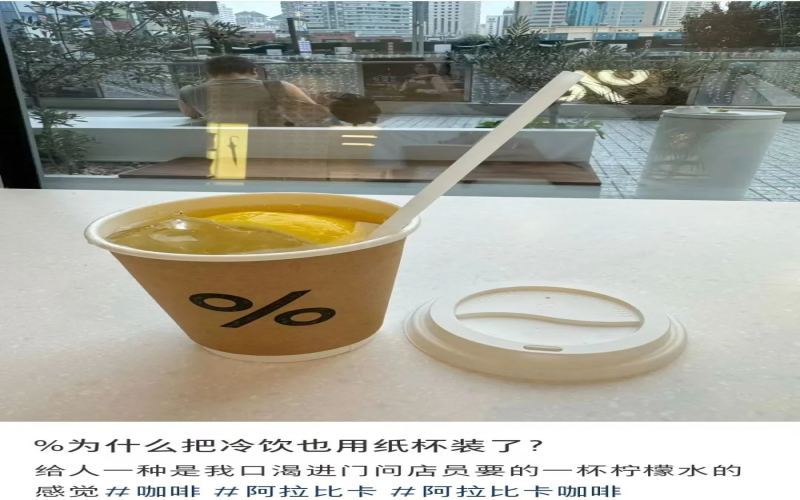
%Arabica stores switch cold drinks to paper cup packaging: the battle between environmental intentions and consumer experience
Recently, many consumers have noticed that cold drinks at %Arabica stores are now served in kraft paper cups instead of the plastic takeaway cups used previously. According to reports, this change has been gradually implemented since last year, with stores switching to paper cups uniformly after depleting their plastic cup inventory. What was originally thought to be a temporary measure taken only in response to Hong Kong's plastic ban now appears to have expanded to more regions. However, the use of paper cups for cold drinks has raised widespread concerns among customers, including condensation on the cup walls, the cup becoming soft, the papery taste affecting the flavor, and the impact on the visual appeal for photos. At the same time, store staff are also facing challenges with efficiency in serving drinks. How to balance environmental principles with the consumer experience has become the core controversy of this packaging overhaul. [more…]
Do Frozen Coffee Beans Need to Be Thawed? From Storage Methods to Brewing Parameters, a Complete Guide to Using Frozen Coffee Beans Correctly
Does putting coffee beans in the freezer really extend their peak flavor window? Some friends have found that beans that have been frozen brew up with weaker aroma and a thin body, and so they suspect freezing is useless. In fact, freezing really can slow down coffee bean degassing and extend freshness, but only if storage and brewing are both done right. This article covers everything from airtight portioning and preventing condensation, to the two routes of brewing frozen beans directly versus brewing after thawing, and uses comparison data from Front Street Yirgacheffe · Gutingding to help you fully understand the complete operational logic of frozen coffee beans in one go. [more…]
Where Does Cold Brew Coffee Come From? Brewing Principles, Flavor Characteristics, and Single-Origin Bean Recommendations for Cold Brew
Cold brew drip coffee, with its unique cold condensation percolation extraction method, has become a beverage much favored by coffee lovers in summer. It boasts both a spectacular brewing apparatus and a pure, natural taste. This article will guide you through the origin story of cold brew drip coffee, its similarities and differences with the cold brew method, the extraction principles and flavor characteristics, as well as the key points in making it. At the same time, we will also recommend several single-origin coffee beans suitable for making cold brew drip coffee, including popular choices from the Front Street Coffee brand, to help you easily make a rich and smooth cup of cold brew drip coffee this summer. [more…]
What Is the Maillard Reaction in Coffee Roasting? Stage-by-Stage Changes from Start to Finish and the Flavor Formation Mechanism
More and more coffee shops are choosing to place roasters at their entrances and roast beans themselves, which allows them to control costs while also ensuring quality. Walking down the street, one can often smell the blended aromas released by roasting coffee beans—the greenish-blue smoky scorched scent of burning plant fibers, the creamy yellowish-white sweetness, and the brownish bread-like aroma of toast, all interwoven together. A large part of the source of these rich aromas is thanks to the Maillard reaction during roasting. The Maillard reaction is a series of reactions that occur when amino acids and reducing sugars in food are heated, and it can broadly be divided into three stages: the initial stage, the intermediate stage, and the final stage. During the process, various aromatic substances and pigments are produced, playing a key role in the layers and changes of coffee's final flavor. This article will sort out the stage divisions of the Maillard reaction, its chemical pathways, and its significance for coffee flavor. [more…]
Does a cloudy pour-over coffee mean poor quality? Analyzing the relationship between coffee liquor color and clarity
Many coffee enthusiasts notice during pour-over brewing that the coffee liquid is sometimes not as clear as expected, and may even appear somewhat murky. Does this "tea-like" cloudiness mean the coffee tastes bad? This article starts from the definition of coffee liquor color, analyzes how roast level and concentration affect the hue, and then reveals the true cause of the murky sensation—the release of insoluble substances and the condensation of soluble compounds as temperature changes. Through examples using the flannel filter, AeroPress, and other equipment, it shows that cloudiness does not equal poor flavor; sometimes it instead brings a richer mouthfeel and sweetness. Front Street Coffee reminds us: judging a cup of coffee should not be based on appearance alone. [more…]
The flavor of hundred-dollar beans starts changing from the day you open the bag.
Coffee beans are not best enjoyed immediately the closer they are to the roast date. Freshly roasted beans are still releasing carbon dioxide, and the aroma can be blocked by the gas, so the brewed coffee may bloom violently and taste sharp on the palate. When buying everyday beans under 100 yuan, you can first check the roast date, then plan when to open the bag, so that a bag of beans can [more…]
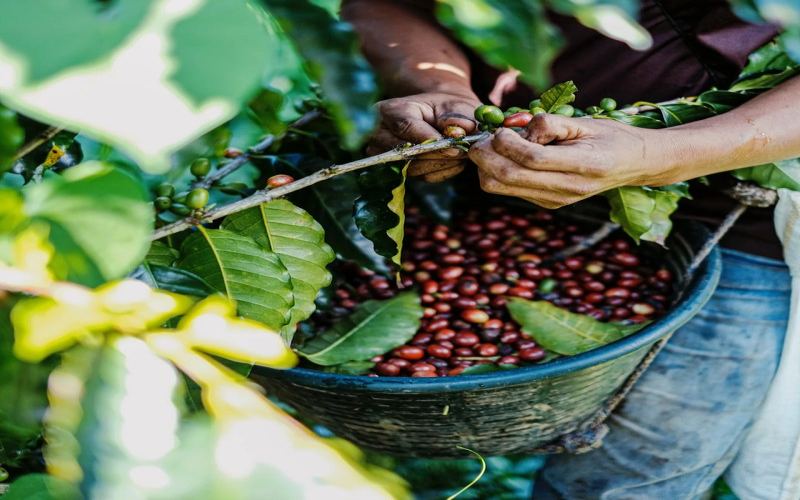
After Roast Date: A Flavor Timeline for Home Espresso Beans
After coffee beans leave the roaster, they continue to release carbon dioxide internally. If you pull an espresso at this point, the puck is easily disturbed by the gas, the flow rate is not regular enough, and although the crema may look rich, the sweetness may not yet have opened up. For home espresso to present clear nutty, caramel, or chocolate flavors, it is not the closer to the roast date the more aromatic, but rather [more…]
From roast date to opening the bag: an espresso bean flavor timeline
The state of espresso beans changes over time: when freshly roasted, the gases are active, then the aromas gradually unfold, and finally they slowly settle into a gentler state. Therefore, "the closer to the roast date, the better the taste" does not apply to all espresso extractions. When selecting beans, understanding the roast date, giving the beans an appropriate rest, and planning a reasonable schedule for opening the bag make it easier to [more…]
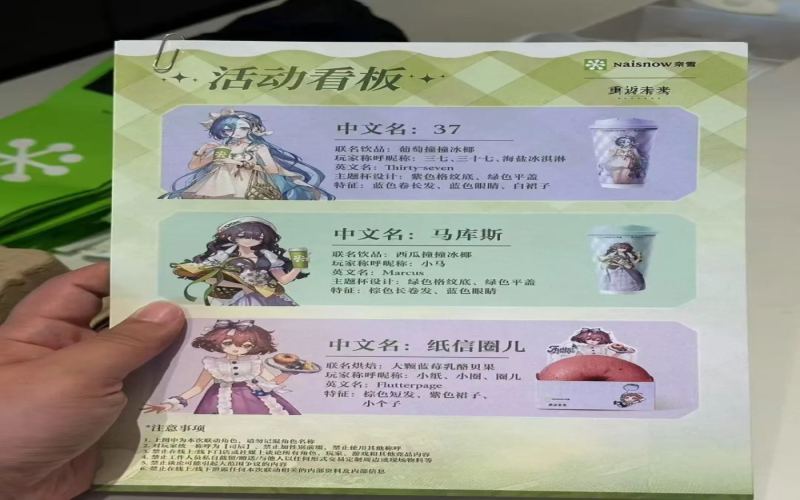
Nayuki Collaborates with "Reverse: 1999" — Merchandise Printing Ghosting and Themed Cup Sticking Issues Spark Player Dissatisfaction
Nayuki's collaboration with the hit game "Reverse: 1999" was supposed to be a fan celebration, but it ran into embarrassment due to quality control issues with the merchandise. The official limited-edition luggage tags were reported by consumers to have ghosting in the printed designs, making the game characters look like their "souls had left their bodies," which was dizzying to look at. At the same time, the collaboration-themed cups caused the peelable small cards to stick together and become damaged due to condensation, greatly reducing their collectible value. The stores' response to requests for exchanges also failed to quell dissatisfaction. Why did this cross-industry collaboration, which was met with high expectations, repeatedly stumble over the details? And how should consumers' experience be safeguarded? [more…]
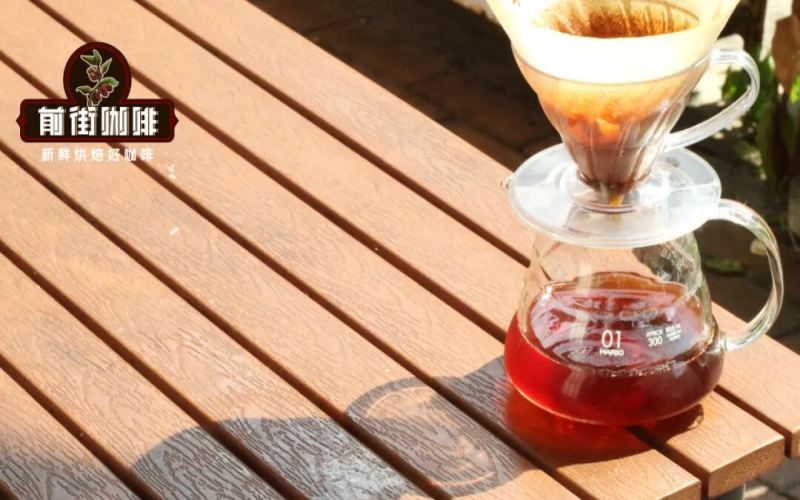
Cold Brew Coffee | What Factors Affect the Taste of Cold Brew? What Is the Layer of Oil on Top of Cold Brew? Why Does Oil Appear in Cold Brew?
Experienced folks know that many factors affect the taste of cold brew coffee. Among them, the most influential are the choice of coffee beans, grind size, coffee-to-water ratio, and steeping time; next are some small brewing techniques, such as thorough stirring, ensuring the container is clean, water quality, and so on. These will more or less change the co [more…]